Why Balance Quietly Slips After 50, and How to Win It Back
Balance is not a fixed trait. It is a skill built from your eyes, your inner ear and the soles of your feet, and like any skill it fades when it is not practiced.
Most people do not notice their balance changing until something happens: a wobble on the stairs, a misstep off a curb, a moment of reaching for the wall in a dark hallway. The decline is usually slow and silent, which is exactly why it catches us off guard.
The three systems behind every step
Staying upright depends on three sources of information working together. Your eyes read the horizon and the ground ahead. Your inner ear senses the position and movement of your head. And thousands of receptors in your feet and ankles report on pressure, texture and angle with every step you take.
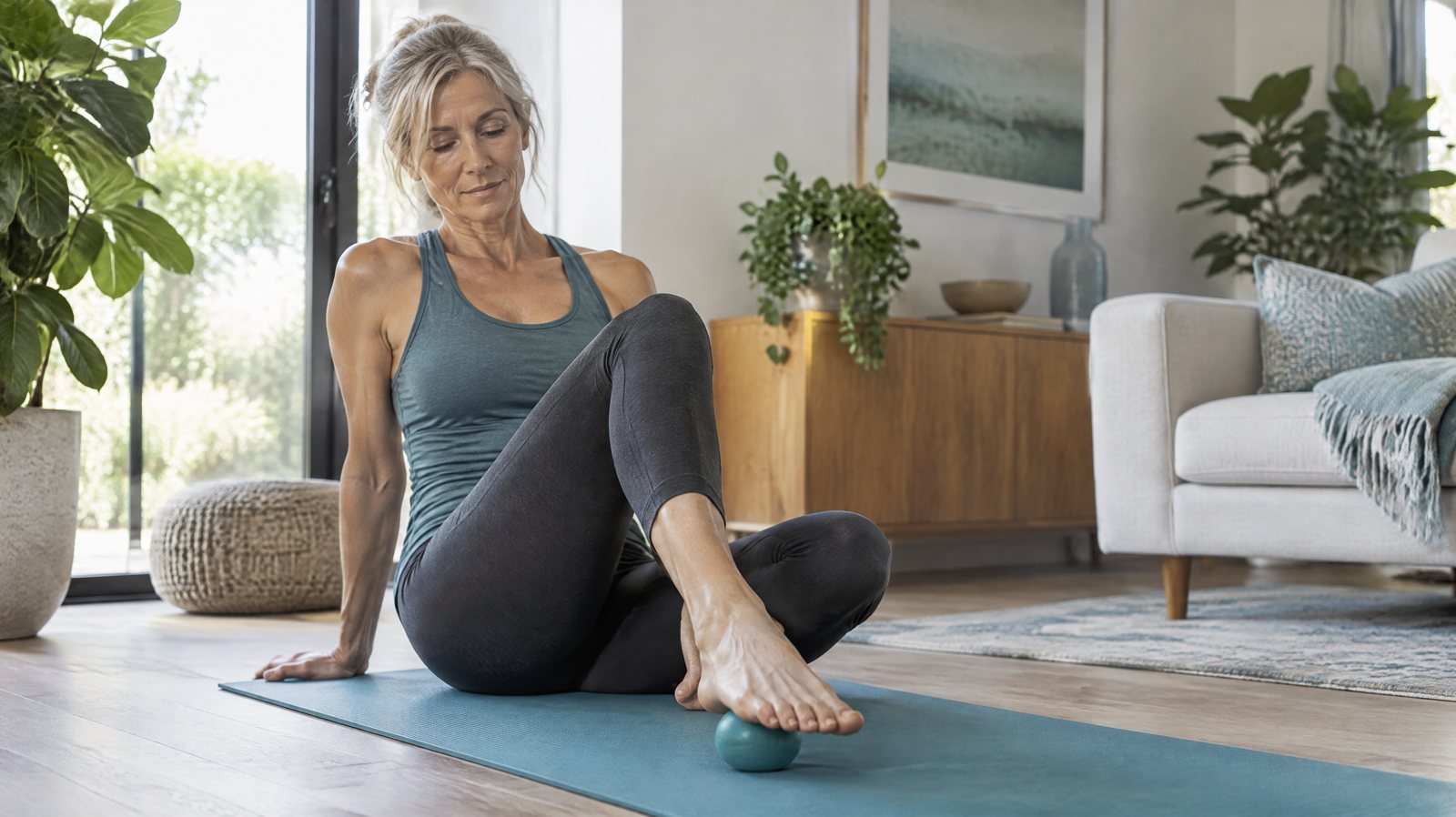
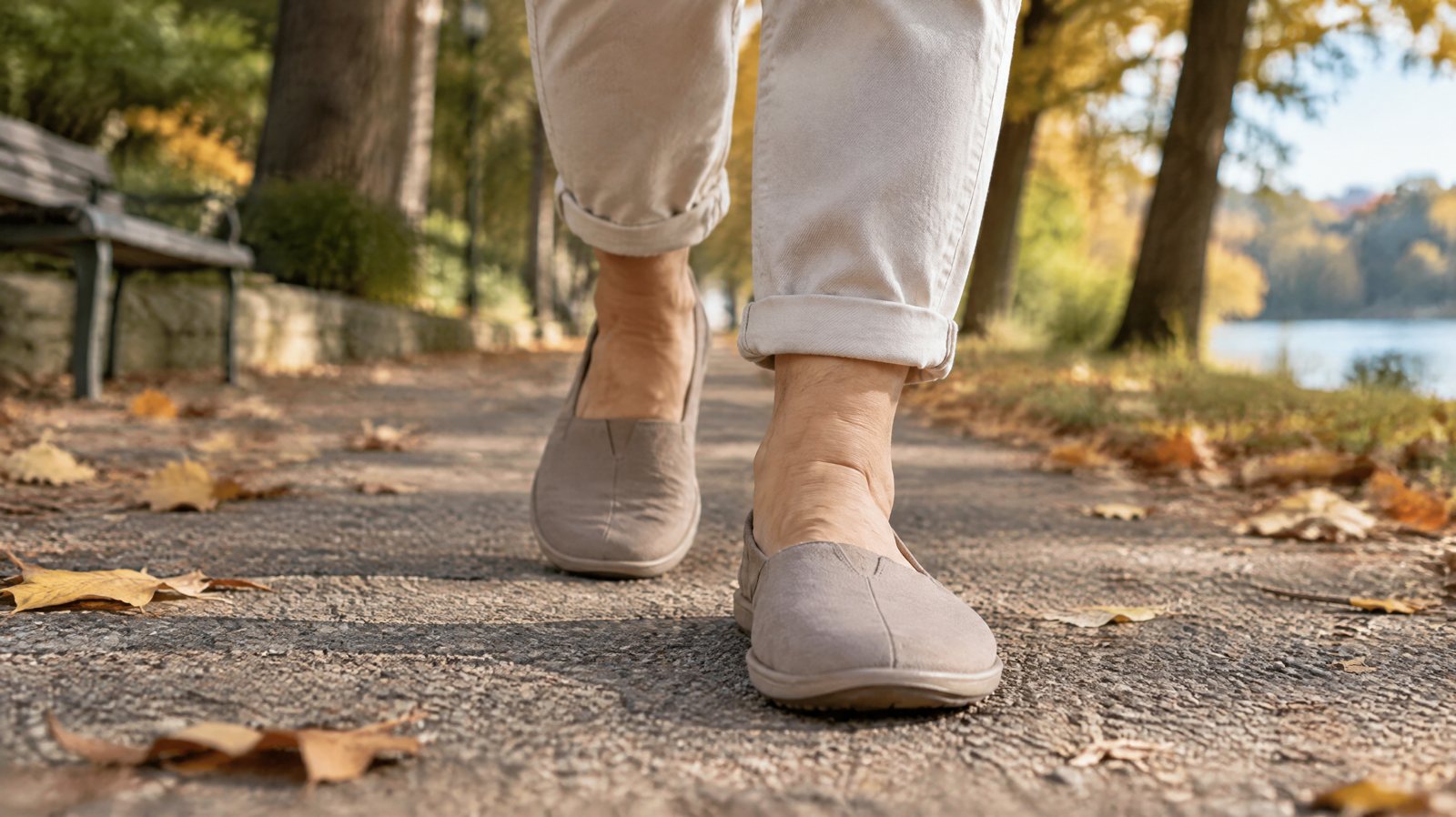
With age, each of these signals can soften a little. Vision changes, the inner ear becomes less sensitive and, often overlooked, the feet send weaker feedback, especially when they spend most of the day inside thick, rigid shoes that muffle what the ground feels like.
Muscle matters too
Even with perfect information, you still need the strength to react. After 50 we lose muscle gradually unless we work to keep it, and the quick, small corrections that save us from a stumble rely on the muscles of the hips, calves and feet.
Simple ways to train it
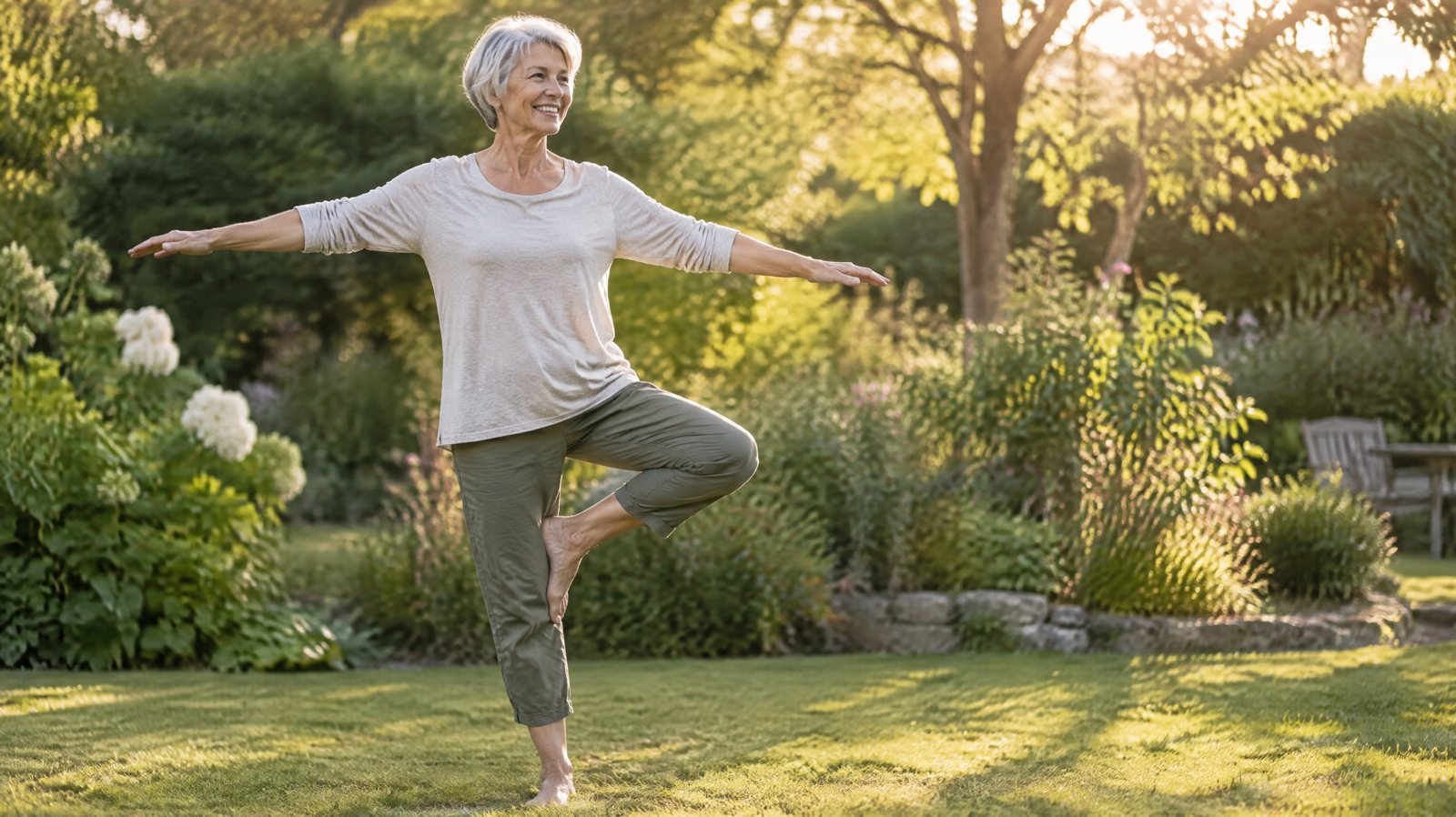
- Stand on one leg while brushing your teeth. Switch sides halfway. Hold the counter if you need to.
- Walk heel to toe along a hallway, as if on a tightrope, for ten steps.
- Go barefoot at home on safe surfaces to give your feet richer feedback.
- Try tai chi or gentle yoga. Both have strong evidence for reducing falls in older adults.
- Keep your legs strong with sit-to-stands from a chair, ten at a time.
A few minutes a day is enough to make a difference. In studies, older adults who practiced balance exercises regularly reduced their risk of falling by roughly a quarter. That is a meaningful return on a habit that fits inside your morning routine.
Make your home work with you
Good lighting on stairs and in hallways, rugs that lie flat, and a night light between the bedroom and bathroom remove many common hazards. Pair that with steady practice and balance can stay a strength for years to come.
This article is for general information only and is not a substitute for medical advice. If you have frequent dizziness, recent falls or a condition affecting your balance, speak to your doctor.